



Story Highlights
- Your dog's ancestors consumed digestive enzymes by eating the organs of their prey; modern diets eliminate that source, making digestive enzymes essential today
- Exocrine pancreatic insufficiency (EPI) is a serious digestive disorder when the pancreas fails to produce digestive enzymes
- Animals consuming whole prey, which include the pancreas and digestive organs, will naturally have sufficient enzymes
- Enzyme insufficiency contributes to common digestive problems, including dysbiosis, low stomach acid, impaired bile flow, and intestinal permeability
Exocrine pancreatic insufficiency, commonly referred to as EPI, is a serious digestive disorder in which the pancreas fails to produce digestive enzymes in amounts that can sustain life. In true EPI, enzyme output is so low that the dog cannot properly break down and absorb nutrients from food, even when eating large amounts. The pancreas is essentially no longer doing its job, and without complete enzyme replacement, the animal progressively starves on a full bowl.
Digestive enzymes include amylase, which breaks down carbohydrates, lipase, which digests fats, and proteases, which are required to break dietary proteins into absorbable amino acids. When these enzymes are missing, food passes through the gastrointestinal tract only partially digested. The result is not simply loose stool or gas. It is profound malabsorption, weight loss, vitamin deficiencies, and eventually systemic failure.
But there is an important point many pet parents never hear. EPI is not the same thing as enzyme insufficiency.
EPI is a near complete absence of pancreatic enzyme production. Enzyme insufficiency is a partial shortfall. The pancreas is still producing enzymes, but not enough to comfortably handle the diet and lifestyle being asked of it. These dogs are not yet in full pancreatic failure, but digestion is no longer efficient, and symptoms can look like a chronic “sensitive stomach” problem that slowly worsens over time: gas, bloating, reflux, loose stools, undigested food in the stool, or vomiting of undigested food several hours after eating.
Why So Many Dogs Struggle Before EPI Is Diagnosed

From an evolutionary perspective, dogs were never meant to rely on their own pancreas alone. Wild canids consumed whole prey, including the pancreas and digestive organs, which naturally supplied digestive enzymes with every meal. Those enzymes started breaking down food immediately and reduced the amount of work the dog’s own pancreas had to do.
Modern dogs eating processed foods do not receive any naturally occurring prey enzymes. Over time, that matters. A dog can have a pancreas that technically functions but still falls short of what is required to fully digest a highly processed diet, tolerate stress, recover from illness, or deal with the range of digestive issues plaguing modern pets (including insufficient stomach acid, bile production, dysbiosis, and intestinal permeability issues). This is where enzyme insufficiency shows up, and it is far more common than diagnosed EPI.
Some dogs are also born with risk factors that make pancreatic decline more likely. EPI is most often diagnosed in German Shepherd Dogs due to a well-documented genetic predisposition, but the condition can develop in any breed or mixed-breed dog . Cats can develop EPI, but it is less common in felines.
When EPI develops in young dogs, it is most often caused by pancreatic acinar cell atrophy, a progressive loss of the enzyme producing cells within the pancreas. In older dogs, EPI is more commonly secondary to chronic pancreatitis. Long-standing pancreatic inflammation can gradually destroy functional tissue and carries an increased risk for concurrent diabetes mellitus.
Enzyme insufficiency commonly develops in pets fed carbohydrate heavy dry foods, which often fail to stimulate adequate stomach acid production needed to begin proper protein digestion. When this is compounded by the widespread use of acid blocking medications such as omeprazole, repeated antibiotic exposure that disrupts the microbiome, and ultra processed foods and treats rich in inflammatory heat formed AGEs, the digestive system gradually loses efficiency, leading to a functional deficiency of digestive enzymes.
Clinical Signs: What Full EPI Looks Like Versus Enzyme Insufficiency
Classic EPI signs are often dramatic. Unexplained weight loss despite a ravenous appetite is one of the biggest clues. Many dogs produce unusually large stools that are pale yellow or gray, and bowel movements become frequent. Coprophagia and pica are common, as the dog instinctively searches for missing nutrients by eating feces, dirt, grass, or nonfood objects. Audible gut noises, excessive flatulence, watery diarrhea, and occasional vomiting are also common.
Enzyme insufficiency usually looks different, especially early on. These dogs often keep their weight, so the urgency feels lower, and the problem gets mislabeled. Instead of obvious starvation, the dog shows a pattern of incomplete digestion, including chronic soft stools, intermittent diarrhea, frequent bowel movements, gas and bloating, a rumbling belly, nausea, undigested food in stool, gastroesophageal reflux (GERD), and inconsistent appetite. The coat may lose its shine, the dog may seem “always hungry,” and food sensitivities may develop as poorly digested protein antigens enter the body via increased permeability from chronic, low-grade inflammation.
The key distinction is this: In EPI, enzyme output is so low the dog cannot maintain nutritional status without enzyme replacement. In enzyme insufficiency, the dog can survive, but digestion is inefficient enough that the gut and microbiome pay the price, and health gradually erodes.
Secondary Dysbiosis and Vitamin Deficiencies Are Common in Both
Whether enzymes are absent or inadequate, incomplete digestion leaves excess undigested food in the small intestine. This creates an ideal environment for abnormal bacterial fermentation and contributes to small intestinal dysbiosis.
Dysbiosis further impairs nutrient absorption and increases inflammation of the intestinal lining. A healthy gut microbiome functions like a vibrant ecosystem. Beneficial organisms ferment fibers, creating short-chain fatty acids that nourish the gut lining and help maintain barrier integrity.
When dysbiosis develops, opportunistic bacteria and yeast proliferate and produce inflammatory byproducts such as lipopolysaccharides that irritate the intestinal lining. Protective short-chain fatty acid production declines, the mucus layer thins, and tight junctions between cells weaken2.
Dogs with enzyme problems who experience gas, abdominal rumbling, nausea, or persistent diarrhea are very likely dealing with concurrent dysbiosis on top of inadequate digestion.
The Systemic Toll of Long-Term Malnutrition Is What Makes EPI So Dangerous
In moderate to severe EPI, the effects extend far beyond the digestive tract. Muscle wasting is common because amino acids are not absorbed efficiently. Dogs struggle to maintain body weight despite eating large quantities of food.
Juvenile dogs with untreated EPI may develop skeletal abnormalities due to impaired mineral absorption. Dental abnormalities, delayed growth, and increased risk of orthopedic disease have been observed. Chronic malnutrition affects every organ system, including the nervous system, which is why behavioral changes such as anxiety, irritability, fearfulness, and food aggression can appear. As hunger becomes relentless, many dogs develop frantic scavenging behaviors that are emotionally distressing to observe. Without treatment, EPI ultimately leads to organ failure or death due to starvation.
Enzyme insufficiency is less dramatic, but it can still create a slow burn of nutrient depletion, chronic inflammation, recurring gut problems, and a dog that never fully thrives because they never fully digest and assimilate their food.
Why Enzyme Problems Are Often Misdiagnosed
Chronic loose stools are frequently the first sign that digestion is failing. Unfortunately, many dogs are treated with repeated courses of metronidazole (antibiotics) rather than evaluated for pancreatic function. Antibiotics can temporarily suppress symptoms, giving the illusion of improvement, while the underlying enzyme shortfall continues.
When symptoms return, dogs are often labeled with inflammatory bowel disease or irritable bowel syndrome and placed on long-term immunosuppressive medications. Many dogs undergo invasive procedures before anyone considers pancreatic testing. This is concerning because pancreatic enzyme problems are both easy to evaluate and highly treatable, especially when recognized early.

Proper Diagnosis Requires the Right Test and the Right Interpretation
The definitive diagnostic test for EPI is the trypsin-like immunoreactivity test, commonly known as TLI3. This blood test measures the pancreas’s ability to produce digestive enzymes. Values below 2.5 micrograms per liter are diagnostic for EPI. This is the range where the pancreas is no longer producing enough enzyme to sustain normal digestion, and enzyme replacement is typically lifelong.
Values between 3.5 and 5.7 suggest subclinical pancreatic dysfunction and increased risk for progression to EPI. This is where enzyme insufficiency often lives. Dogs in this range may not look like classic EPI cases, but many benefit greatly from early digestive support, because their enzyme output is already trending in the wrong direction.
For dogs with values between 2.5 and 3.5, retesting after one month of supportive therapy is recommended. A cobalamin test should always be run alongside TLI to assess vitamin B12 status.
It is also important to retest TLI after stabilization because inflammation can temporarily suppress enzyme production, mimicking EPI in dogs whose pancreatic tissue is still viable. The goal is not only to catch true EPI, but to recognize the dogs whose enzyme production is slipping before irreversible pancreatic damage occurs.
Treatment Must Match the Stage: Enzyme Replacement Versus Enzyme Support
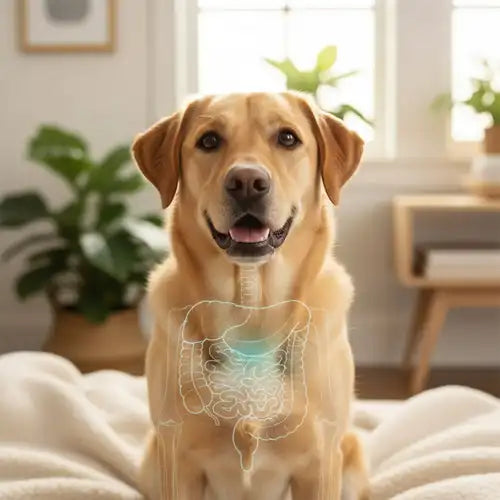
Dogs with true EPI should receive prescription digestive enzymes at every meal4. An animal-derived enzyme blend containing lipase, protease, and amylase is essential. Plant-based enzymes alone are not sufficient for dogs with true EPI.
Enzymes should be mixed thoroughly into food and allowed to sit at room temperature for 20 to 30 minutes before feeding to begin predigestion. Probiotics are also important and are often needed long-term to support microbial balance, especially when dysbiosis is present. Dogs with cobalamin deficiency also require vitamin B12 supplementation, often by injection. Many owners can learn to administer these at home.
For dogs with enzyme insufficiency, the approach is similar but the intent is different. In EPI, enzymes replace what the body cannot produce. In enzyme insufficiency, enzymes help bridge a shortfall, reduce fermentation and dysbiosis, improve nutrient extraction, and lower the digestive burden placed on a struggling pancreas. Some dogs in early decline may stabilize for long periods when digestion is supported early and consistently. Over-the-counter enzyme formulations are sufficient for animals with enzyme insufficiency and should be mixed in food at the time of feeding.
Targeted Species Appropriate Diet Is the Cornerstone of Recovery and Prevention
Highly processed kibble and canned foods place additional stress on an already compromised digestive system. For most dogs with EPI, transitioning to a nutritionally complete, meat-based fresh food diet is transformative.
Initially, gently cooked diets are often best tolerated. As gut health improves, many dogs thrive on well-balanced raw diets due to the presence of naturally occurring enzymes. Raw diets must be finely ground to reduce digestive burden. Large chunks of bone, vegetables, or muscle meat are often poorly tolerated.
Carb choices are important. Minimizing complex carbohydrates like wheat and legumes reduces gas production. Choosing low-fermentation veggies allows for adequate prebiotic roughage that provides important antioxidants and flavonoids, while avoiding excess gas production. Dogs with enzyme issues are often deficient in zinc, vitamin E, and essential fatty acids, so dietary completeness matters—follow a recipe that provides a complete nutritional analysis; don’t guess.
Strategic Supplementation Supports Long Term Stability
In addition to enzymes and species-specific probiotics, omega-3 fatty acids (EPA and DHA) help reduce inflammation5. Once a dog is stable, supplements can often be adjusted to the lowest effective dose. Discontinuing support entirely, however, commonly results in relapse. Ideal stools should be firm, dark brown, and easy to pick up. Any ongoing gas, bloating, nausea, or abnormal stool indicates the need for further adjustment.
Digestive efficiency is often overlooked in long-term health. Even when foods appear to meet “complete and balanced” standards on paper, that nutrition only matters if the dog can break it down and absorb it. A 2023 study on the digestibility of canine food6 used a sophisticated simulated canine digestion model to evaluate what happens when a broad-spectrum digestive enzyme blend is added to dry extruded dog food. The results were striking. Enzyme supplementation significantly increased dry matter digestibility, digestible energy, and protein breakdown, meaning dogs were able to extract substantially more nourishment from the exact same food.
What stands out is how quickly and thoroughly nutrients were released when enzymes were added. Within the first 30 minutes of digestion, the enzyme-supplemented food produced significantly more low-molecular-weight peptides and essential amino acids, the forms most easily absorbed and used by the body. Protein digestibility improved, carbohydrate breakdown accelerated, and glucose and reducing sugar release more than doubled. From a biological perspective, this matters because undigested protein and starch that escape the small intestine often end up fueling dysbiosis and inflammatory byproducts in the colon. Supporting digestion earlier in the process helps reduce that downstream burden.
The study also demonstrated an increase in total antioxidant capacity when enzymes were added. Antioxidants locked inside the food matrix were released more efficiently during digestion, increasing their availability to the body. This has meaningful implications for managing oxidative stress, which plays a role in aging, immune dysfunction, and chronic disease.
Ongoing Monitoring and Preventive Care Matter
Dogs with enzyme problems frequently develop food sensitivities, which can exacerbate symptoms. Annual TLI and cobalamin testing is wise, especially for dogs with a history of pancreatitis, chronic gastrointestinal issues, or borderline pancreatic function. If gut issues persist with TLI and cobalamin levels within range, a fecal microbiome analysis can be very enlightening, and addressing any remaining dysbiosis often resolves lingering symptoms.
With early recognition, appropriate nutrition, and targeted digestive support, dogs with enzyme insufficiency can often regain comfort and resilience, and dogs with EPI can live full, vibrant lives. EPI is a near-total collapse of enzyme production that requires prescription enzyme replacement. Enzyme insufficiency is a partial decline that often responds to earlier intervention, better diet choices, and supplemental over the counter enzyme support before the pancreas reaches a point of no return.
Sources and References:
About Karen Shaw Becker, DVM, CVH, CVA, CCRT
Veterinarian Dr. Karen Shaw Becker believes biologically appropriate food and an animal's immediate environment are essential in determining health, vitality, and lifespan. She has spent her career as a wildlife and exotic animal veterinarian and small animal clinician, empowering animal guardians to make intentional lifestyle decisions to enhance the well-being of their animals.


