



Story Highlights
- Cancer is now the leading cause of death in dogs and increasingly common in cats, with many cases influenced by environmental and lifestyle factors rather than genetics alone.
- Everyday exposures such as lawn chemicals, air pollution, processed pet foods, and household toxins can contribute to chronic inflammation and increased cancer risk.
- Common cancers in pets, including lymphoma, hemangiosarcoma, mast cell tumors, and mammary cancer, are being studied for links to environmental triggers and microbiome health.
- Simple changes such as feeding fresh food, reducing toxic exposures, supporting the gut microbiome, and maintaining a healthy weight can help build resilience and support long-term wellness.
Cancer has quietly become the leading cause of death in companion animals, especially in dogs, and it is increasingly common in cats as well. A cancer diagnosis feels scary, sudden, and devastating, but what we’re learning through both veterinary and human research is that cancer is rarely a random event. It is often the result of cumulative influences that build over time, gradually shifting the body out of balance1.
Genetics plays a role, but genes alone do not determine destiny. The environment your pet lives in, the food they eat, the air they breathe, the water they drink, the chemicals they’re exposed to, and the health of their microbiome all influence whether disease develops2. In fact, research suggests that a significant percentage of cancers are influenced by environmental exposures, offering a powerful opportunity for prevention3.
Our dogs and cats share our homes, our air, our water, and our daily routines. Because they age more quickly and have shorter lifespans, they can develop disease earlier than we do. They can be mirrors of our lifestyles and environment. If we begin to see rising cancer rates in our pets, it’s time to take a closer look.
The Most Common Types of Cancers in Dogs

Lymphomas are one of the most frequently diagnosed cancers in dogs4. It affects the lymphatic system, which plays a critical role in immune function. Dogs with lymphoma may develop enlarged lymph nodes, lethargy, weight loss, and changes in appetite. What makes lymphoma especially important from a prevention standpoint is its repeated association with environmental exposures. Studies exploring links between lawn chemicals and lymphoma5 have raised important questions about how everyday exposures may influence risk.
Hemangiosarcoma is another devastating and all-too-common cancer, particularly in certain breeds6 like Golden Retrievers, Boxers, and German Shepherds7. This cancer arises from the cells lining blood vessels and often affects the spleen, liver, or heart. It is aggressive and frequently goes undetected until a sudden internal bleed occurs. While genetics play a role, oxidative stress and environmental toxins are believed to contribute to its development.
Mast cell tumors are the most common skin cancers in dogs. They can appear as small lumps or larger masses and may change in size over time. Their behavior can range from relatively benign to highly aggressive8. Chronic inflammation, immune dysregulation, and environmental triggers are all thought to influence their development.
Osteosarcoma, or bone cancer, is most commonly seen in large and giant breed dogs. It is painful, aggressive, and often requires a combination of surgery and supportive care. Research continues to explore how rapid growth, nutrition, and environmental exposures may contribute to its development9.
The Most Common Cancers in Cats
Cats face many of the same cancer risks, but the occurrence of cancer is surpassed by kidney disease and diabetes10. Gastrointestinal lymphoma is frequently diagnosed, especially in middle-aged to older cats. There is growing interest in how chronic gut inflammation and microbiome imbalances may contribute to this condition.
Mammary tumors are among the most common types of cancer in cats, and unlike dogs, a significant percentage of feline mammary tumors are malignant11. Exposure to environmental toxins and hormonal influences may both play a role.
Squamous cell carcinoma, particularly affecting the mouth or skin, is another concern. This type of cancer has been associated with environmental exposures such as tobacco smoke and UV radiation. Cats living in smoking households, for example, have been shown to have increased risks of certain cancers due to chronic exposure to toxins in their environment12.
How Your Home Environment Affects Both You and Your Pet's Cancer Risk
Cancer develops when normal cellular processes break down. Instead of growing, repairing, and dying in a controlled way, cells begin to divide uncontrollably. A combination of internal and external factors influences this process.
Environmental toxins are among the most significant contributors. Your pets share more than just your living space—they're exposed to many of the same environmental chemicals that can increase cancer risk in both of you. Research shows that dogs and cats can serve as early warning systems for household chemical exposures because they develop cancer more quickly than humans and spend even more time on floors, carpets, and other household surfaces.13, 14,15
Why Pets Are Valuable Sentinels for Human Health
Dogs and cats live in the same indoor environments as their families, breathing the same air, drinking the same water, and coming into contact with the same household chemicals. Because pets are closer to the ground, groom themselves frequently, and have shorter lifespans, they often show the effects of environmental exposures sooner than humans do. 16, 17 Studies have found that serum levels of toxic chemicals like PFAS in dogs and cats are similar to those of their human family members.18,19
It is estimated that up to 20% of human cancers can be explained by environmental exposures to carcinogens, and companion animals may act as sentinels for these same environmental carcinogens due to their relatively shorter longevity, spontaneous occurrence of tumors, and intimate relationship with our everyday environments.20 Pet dogs living near Superfund sites have shown higher rates of genetic damage (micronucleus frequency) than control animals, suggesting they can detect environmental contamination that may also affect humans. 21
Root Causes of Cancer for Humans and Pets in Shared Environments
PFAS (Forever Chemicals)
PFAS are synthetic chemicals used in stain-resistant carpets, non-stick cookware, water-resistant fabrics, and many household products. More than 98% of Americans have detectable PFAS in their blood.22 These chemicals have been linked to:
In Humans:
- Kidney cancer and testicular cancer (PFOA is classified as a Group 1 carcinogen by international agencies)23
- Breast cancer, particularly hormone receptor-positive types24,25,26
- Thyroid, prostate, and liver cancers27,28
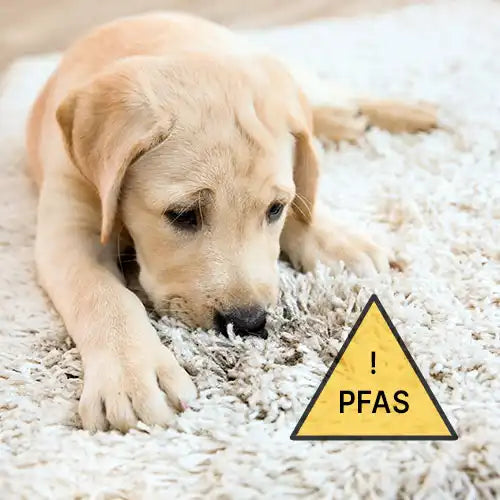
In Pets:
- PFAS were detected in every sample from dogs and horses living in contaminated areas of North Carolina, with dogs showing higher concentrations of PFOS, PFHxS, and PFOA than horses29
- Dogs and cats show similar changes in blood chemistry markers (liver enzymes, cholesterol levels, thyroid hormones) as humans exposed to PFAS.30
- Alkaline phosphatase, glucose, and globulin proteins in dogs and gamma-glutamyl transferase in horses have been identified as potential biomarkers associated with PFAS exposure31
- PFAS exposure in dogs has been linked to increased amylase and decreased cholesterol levels.32
- PFAS contamination has been found in commercial pet food, with fish-based products containing elevated levels of PFOS and other PFAS compounds.33
The proximity of small children and pets to PFAS-treated carpets and floors, combined with their tendency to put things in their mouths, creates parallel exposure pathways.34 This makes pets potentially valuable early warning systems for childhood PFAS exposure in the home.
Microplastics
Tiny plastic particles are now found in human blood, breast milk, and tissues, as well as in pet tissues. These particles come from the degradation of plastic products, synthetic fabrics, food packaging, and household dust. Global plastic production has risen from two megatons in 1950 to more than 450 megatons annually in 2022, leaving behind pervasive waste that fragments into microplastics and nanoplastics.35
Microplastics Can Cause Cancer By:
- Generating oxidative stress and chronic inflammation36
- Disrupting cell growth and death signals37
- Carrying toxic additives and pollutants into the body38
- Interfering with hormonal systems 39
- Causing DNA damage and microbiome disruption40
Another important observation involved sleeping patterns. Researchers found that these dogs experienced more consistent sleep-onset times and more stable wake patterns than placebo-treated animals. Rather than becoming lethargic, the probiotic group showed better daytime wakefulness and increased moderate activity levels. This means the dogs appeared calmer without being sedated. Their activity patterns became more balanced, suggesting improved emotional regulation rather than suppression of normal behavior.
Improved sleep consistency may also reflect healthier neurological signaling through the gut–brain axis.
Evidence in Animals:
- In mice, oral exposure to an environmentally sourced microplastic mixture that reproduces the size, shape, polymer types, and relative proportions of microplastics detected in human stool led to colonic transcriptomic dysregulation and increased susceptibility to inflammation and tumorigenesis41
- Microplastics have been detected in human cancers, and animal studies show tissue accumulation, fibrosis, and genomic instability following exposure42
Shared Exposure in Pets:
- Dogs and cats share the same indoor environment where microplastics accumulate in household dust.
- Both species are exposed through food, water, and air contaminated with plastic particles.
- The mechanisms of harm, including endocrine disruption and microbiome alterations, affect both humans and companion animals similarly.
Pesticides and Lawn Chemicals
Household and lawn pesticides pose significant risks to both humans and pets. The evidence for parallel effects is particularly strong:

In Dogs:
- Dogs exposed to professionally applied lawn pesticides have a 70% higher risk of lymphoma (a model for human non-Hodgkin's lymphoma)43
- Self-applied insect growth regulators more than doubled lymphoma risk in dogs (OR 2.7)44
- Dog owners' use of 2,4-dichlorophenoxyacetic acid (2,4-D) herbicides was associated with a twofold excess risk of canine malignant lymphoma with four or more yearly applications
- Environmental herbicide exposure was associated with a diagnosis of lymphoma in UK dogs after accounting for age and breed
- Dogs with lymphoma had higher urinary concentrations of the benzene metabolite S-phenylmercapturic acid (PHMA) compared to control dogs
- Pet dogs and cats have been found to have urinary pesticide levels that exceed chronic reference doses for chlorpyrifos, diazinon, and other pesticides
In Humans:
- Pesticides are strongly linked to colorectal cancer, acute myeloid leukemia, breast cancer, and childhood leukemia.
- Herbicides like glyphosate are associated with non-Hodgkin lymphoma in both humans and dogs.
- The incidence of non-Hodgkin's lymphoma has increased by over 50% in the last 15 years, and pesticide use has increased dramatically during the same time period.
Shared Exposure:
- People and their dogs have similar pesticide exposures in a home environment, with significant correlations between silicone sampler levels of permethrin and DEET with their corresponding urinary metabolites in both species.
Flame Retardants
Flame-retardant chemicals are added to furniture, carpets, electronics, and building materials. Approximately 1.5 million tons of these chemicals are used annually.
Evidence in Dogs:
- Dogs with bladder cancer showed 2-3 times higher exposure to flame retardant chemicals (BDE-47 and BDE-99) commonly found in furniture, carpets, and electronics
- Flame retardants have been detected in dog serum and dog food, with concentrations averaging 1.8 ng/g wet weight in serum
- Regional differences in flame retardant concentrations in dog testes parallel reports of regional differences in human testicular cancer
In Humans:
- Polybrominated diphenyl ethers (PBDEs) impact human thyroid regulation and are related to clinical thyroid disease
- Flame retardants can damage DNA, change gene expression, and accelerate cell death
- Emerging data suggest that common alternative flame-retardant chemicals may be more potent thyroid disruptors than their predecessors
Heavy Metals
Heavy metals like cadmium, lead, and mercury are environmental carcinogens that affect both humans and pets.
Evidence in Dogs:
- Areas with very high cadmium pollution showed dramatically increased rates of tumors in dogs:45
- Mammary gland tumors (PMR = 64.68)
- Penis and testicular tumors (PMR = 19.73)
- Soft tissue tumors (PMR = 100.55)
- Skin tumors (PMR = 116.23)
- Dogs with tumors had higher plasma concentrations of copper, manganese, nickel, lead, selenium, and zinc compared to controls.46
- Stray dogs and cats in urban areas have been found to have elevated lead and cadmium levels in liver and kidney tissue, suggesting they can serve as bio-indicators of environmental contamination.
In Humans:
- Cadmium has been linked to lung, breast, prostate, and kidney cancers.
- Heavy metals interfere with proliferation, differentiation, repair of damage, and apoptosis through reactive oxygen species production, antioxidant defense weakening, and enzyme inactivation.
Radon
Radon is a colorless, odorless radioactive gas that enters homes from the soil. It is estimated to be the second-leading cause of lung cancer death in the US.
Evidence in Pets:
- Dogs and cats living in high-radon counties had approximately twice the rate of lung cancer compared to those in low-radon areas.
- The primary pulmonary neoplasia rate ratio in counties in high radon zones was approximately twofold higher than in counties in lower radon zones for both dogs (rate ratio 2.49) and cats (rate ratio 2.13).
- In studies using rats, hamsters, and dogs, inhalation of radon and its progeny resulted in a significant increase in the incidence of respiratory tract tumors.
In Humans:
- Up to 21,000 cases of lung cancer-related deaths in the US annually are due to radon.
- Combined analyses of case-control studies yielded an estimated 10% increase in the risk of lung cancer per 100 Becquerel/m³ increase in indoor air levels.
Indoor Air Pollution and Volatile Organic Compounds (VOCs)
VOCs are found in cleaning products, air fresheners, paints, solvents, and building materials. Indoor concentrations are often two to five times higher than outdoors.
Evidence in Dogs:
- Dogs with lymphoma living in urban areas showed higher levels of benzene metabolites in their urine.47
- Dogs living in industrial areas had an 8.5-fold increased risk of lymphoma, and owner use of paints or solvents was associated with a 4.6-fold increased risk.48
- Urinary concentrations of several VOC metabolites in dogs were comparable to those reported for human tobacco smokers.49
- Cancer risk values from exposure to acrylamide exceeded acceptable levels for all dogs and cats studied.
In Humans:
- Benzene exposure is associated with leukemia, asthma, and low birth weight.
- Formaldehyde exposure poses increased risk of respiratory, neurological, and carcinogenic effects.
- Chronic exposure to VOCs is linked to respiratory, neurological, cardiovascular damage, and increased cancer risk.
Asbestos
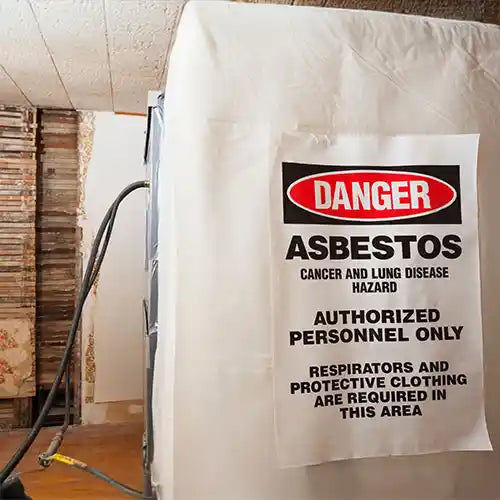
Pet dogs with mesothelioma have been used to identify environmental exposures that might increase their owner's risk of asbestos-related disease.
Evidence:
- An asbestos-related occupation or hobby of a household member was significantly associated with mesothelioma in pet dogs.
- Lung tissue from dogs with mesothelioma had higher levels of chrysotile asbestos fibers than lung tissue from control dogs.
- A significant positive correlation was seen between proportional morbidity ratios for canine bladder cancer and the overall level of industrial activity in the host county, similar to patterns seen in human bladder cancer mortality.
What This Means for Your Family
The same environmental chemicals that increase cancer risk in humans also threaten your pets. Because pets develop cancer faster and spend more time on floors and carpets, they may show the effects of household chemical exposures before human family members do. Protecting your pets from these exposures also protects your children and yourself.
Canine lymphoma may be considered a sentinel of potentially hazardous situations for humans because of the relatively short latency between exposure and disease onset.
Simple Steps to Reduce Exposure
Reducing everyday carcinogen exposure starts with small, intentional changes in your pet’s environment. Filter your water to remove contaminants like PFAS, avoid non-stick cookware and stain-resistant fabrics, and choose glass or stainless steel over plastic to limit microplastics. Keep indoor air clean with HEPA and activated carbon filtration, skip synthetic fragrances and harsh cleaners, and ventilate your home regularly to reduce VOC buildup.
Outdoors, minimize lawn pesticides and herbicides, opt for organic yard care, and wipe paws after time outside. Inside, choose untreated or organic pet beds and furnishings to reduce exposure to flame retardants, vacuum frequently to remove contaminated dust, and be mindful of heavy metal sources in food, water, and household items. You don’t have to eliminate every exposure—but by lowering the total burden, you meaningfully support your pet’s long-term health and resilience.
Detoxifying Foods and Supplements
While reducing ongoing chemical exposures is the most effective strategy, certain dietary approaches can support the body's natural detoxification pathways. A recent randomized clinical trial found that consuming watercress (rich in phenethyl isothiocyanate) significantly increased urinary excretion of environmental carcinogens, such as benzene and acrolein. Plant-based foods rich in phytonutrients, including cruciferous vegetables, decaf green tea, turmeric, and garlic, can help counteract oxidative stress and inflammation caused by environmental toxicants. Certain supplements can also help escort environmental chemicals out of the body.
You can support natural detoxification pathways in gentle, biologically appropriate ways. Make sure they always have access to clean, filtered water to support appropriate hydration and kidney filtration. Moisture-rich, fresh food reduces metabolic strain compared to dry food. Other natural protocols can include:
Prevention Starts at Home
One of the most empowering aspects of this research is the realization that many cancer risk factors are modifiable. While we cannot eliminate every exposure, we can significantly reduce our pets’ toxic burden.
The good news is you have more influence than you may think. You don’t have to change everything overnight to make a difference in your pet’s health. Small, thoughtful choices made consistently over time, like choosing cleaner products, offering fresher food, and being mindful of everyday exposures, can add up in powerful ways. Your dog or cat relies on you to create a safer, healthier environment, and every step you take supports their comfort, vitality, and longevity.
Sources and References:
- 1 Front Vet Sci. 2018 Aug 23
- 2 Research in Veterinary Science Volume 184, March 2025
- 3 Environmental Working Group, Polluted Pets
- 4 Animals (Basel). 2025 Jan 30
- 5 Veterinary and Comparative Oncology, Dec 2025
- 6 Cancers (Basel). 2023 Mar 29
- 7 American Kennel Club
- 8 Cells. 2022 Feb 10
- 9 Vet Res Commun. 2014 Nov 26
- 10 Morris Animal Foundation
- 11 Mammary Tumors in Cats - Reproductive System - Merck Veterinary Manual
- 12 Pets, 2026
- 13 Environ Health Perspect. 1997 Dec
- 14 Public Health Rep. 2011;126(Suppl 1):50–57
- 15 Environ Health Perspect. 1999 Apr;107(4):309-15
- 16 Am J Vet Res. 2023 Mar 25
- 17 Research in Veterinary Science Volume 184, March 2025
- 18 Journal of the American Veterinary Medical Association. 2023
- 19 Environ Sci Technol. 2023 Jul
- 20 Res Vet Sci. 2025 Mar
- 21 Sci Total Environ. 2001 Jul 2
- 22 American Cancer Society Facts & Figures 2025
- 23 Environ Health Perspect. 2023 Dec
- 24 Environ Pollut. 2022 Aug 1
- 25 International Journal of Cancer, 26 February 2023
- 26 Environ Res. 2024 Dec 1
- 27 Environmental Research Volume 259, 15 October 2024
- 28 Environ Res. 2025 Feb
- 29 Environ Sci Technol. 2023 Jul 4
- 30 Journal of the American Veterinary Medical Association, 2023
- 31 Environ Sci Technol. 2023 Jul 4
- 32 Chemosphere. 2022 Jul
- 33 Environmental Pollution Volume 395, 15 April 2026
- 34 Am J Vet Res. 2023 Mar 25
- 35 Microplastics in Carcinogenesis, 2026
- 36 Environmental Pollution Volume 385, 15 November 2025
- 37 Journal of Hazardous Materials Volume 505, 1 March 2026
- 38 Cell Biochemistry and Physics, 20 July 2024
- 39 Life Science 2024
- 40 Carcinogenesis. 2026 Jan 12
- 41 Environmental Pollution Volume 395, 15 April 2026
- 42 Carcinogenesis. 2026 Jan 12
- 43 Environ Res. 2012 Jan 4
- 44 Environ Res. 2012 Jan 4
- 45 Ecotoxicology and Environmental Safety Volume 303, 15 September 2025
- 46 Animals 2026
- 47 J Vet Intern Med. 2025 Aug 28
- 48 Journal of Veterinary Internal Medicine May 2001
- 49 Environ Pollut. 2023 Jan 1
- 50 PLoS One. 2012
- 51 Biochem Biophys Res Commun. 2024 Sep 10
- 52 Heliyon. 2023 Jun 7
About Karen Shaw Becker, DVM, CVH, CVA, CCRT
Veterinarian Dr. Karen Shaw Becker believes biologically appropriate food and an animal's immediate environment are essential in determining health, vitality, and lifespan. She has spent her career as a wildlife and exotic animal veterinarian and small animal clinician, empowering animal guardians to make intentional lifestyle decisions to enhance the well-being of their animals.


