



Story Highlights
- According to the Dog Aging Project, nearly all dogs living in the United States have experienced behavioral issues
- A randomized clinical trial examined a probiotic strain LP815, which produces the calming neurotransmitter GABA
- Dogs receiving this probiotic showed measurable improvements in anxiety and aggression compared with dogs receiving a placebo
- Supporting the gut microbiome may help dogs feel calmer, more resilient, and better able to cope with everyday stress
Behavioral problems are among the most common concerns affecting canine companions today. Anxiety, fear, aggression, and compulsive behaviors can have a significant impact on the quality of life for dogs and the humans who love them. According to a study by the Dog Aging Project, nearly all pet dogs in the United States have experienced behavioral issues, with up to 25% falling into the moderate-to-serious category1. Many of these issues are rooted in genetics and physiology and are greatly influenced by lifestyle and environment (including incomplete or insufficient socialization and aversive training methods)
Behavior problems should be addressed as soon as possible, using fear-free methods that build confidence and trust, rather than increasing fear. If you’re unsure how to do this, don’t guess—well-intentioned mistakes can worsen anxiety, reactivity, or aggression. Working with a qualified fear-free trainer can make all the difference. And while no supplement or diet will give your dog a brand-new personality, emerging research shows the gut–brain connection plays an important role in behavior, including the potential benefits of an LP815 probiotic for dogs.
Scientists are increasingly studying the gut–brain axis, the communication network linking the digestive and nervous systems. Within this system lives the gut microbiome, a diverse ecosystem of microorganisms that produce powerful biochemical signals that influence a wide range of mood, stress responses, and behavior.
Recently, a peer-reviewed clinical trial examined whether a specific probiotic strain, Lactiplantibacillus plantarum LP815, can support calmer, more stable behavior in dogs by reducing aggression and anxiety through the gut–brain connection2, highlighting growing interest in LP815 probiotic for dogs as a behavioral support tool.
Understanding Behavioral Challenges in Dogs
Dog behavior is often misunderstood because most humans aren’t fluent in canine communication. Fear, anxiety, noise sensitivity, separation distress, aggression toward people and animals, and hyperreactivity are among the most common problems in dogs.
Most reactive dogs are not "born that way," they’re created by gaps in early care. The number one cause of behavior issues in dogs is human failure; we don’t provide a structured start. Puppies require early and thorough socialization and fear-free training beginning around 8 weeks and continuing through the first year of life, paired with a clear, intentional plan that supports emotional, physical, and nutritional health. Too often, dogs are brought home without any preparation for their long-term developmental needs, and that lack of a proactive wellness and training plan is the root of the problem. Ineffectively addressing annoying behaviors strains the human–animal bond and sometimes lead to heartbreaking outcomes such as relinquishment to shelters or euthanasia3.
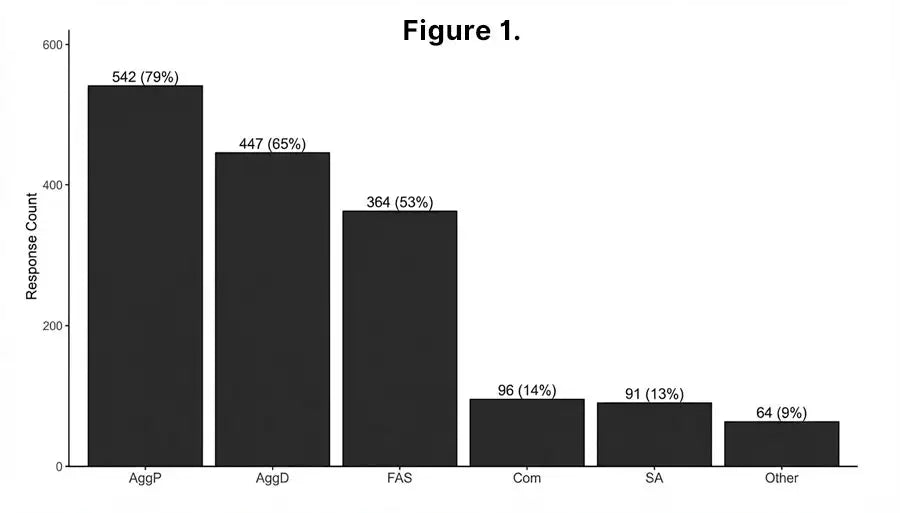
Primary behavior categories reported by owners when deciding to pursue behavioral euthanasia. The average ranking of concerns was as follows: aggression toward people (1.33), aggression toward other animals (1.73), fear, anxiety, or chronic stress (2.17), compulsive behaviors (2.31), separation anxiety (2.35), and other concerns (2.53). A total of 1,604 responses were collected from 690 respondents. Participants were allowed to rank up to three behavioral concerns. Percentages reflect the proportion of respondents (690) who identified each behavior category, rather than the percentage of total responses.
Aggression is a leading reason dogs are surrendered or euthanized. Many pet parents feel caught between behavioral challenges and the negative side effects of conventional medications.
Separation anxiety is also quite common for dogs (and their humans). Signs of separation anxiety are often mistaken for behavioral issues, particularly when destruction of household items occurs. If you notice your dog panting, pacing, licking, or otherwise appearing frenzied, they’re probably anxious not to be with you.
There are natural strategies you can implement to help combat anxiety and boredom while you’re away.
- Make sure they’re getting adequate exercise daily
- Treat-release toys can keep them happily engaged for hours
- Calming herbs such as ashwagandha4 can ease stress and anxiety
- Exposure to essential oils such as lavender can induce calm5
How Mood Supporting Probiotics Calm the Canine Brain
The canine brain and gut are deeply connected through the gut-brain axis, which means the microbiome can influence emotional resilience, stress tolerance, and behavioral reactivity. To date, there hasn’t been much research conducted on canine probiotics; however, Lactiplantibacillus plantarum LP815, a GABA-producing Lactobacillus strain, is receiving increasing attention in veterinary research. This LP815 probiotic for dogs is particularly notable for its role in supporting neurotransmitter balance. GABA is a key inhibitory neurotransmitter that helps the brain settle, regulate excitability, and maintain emotional balance6.
Early studies on LP815 show it can increase GABA production in the gut, which may support calmer behavior, improved stress responses, and a more stable mood in dogs7. When the gut produces more GABA, it signals the nervous system to shift away from a heightened fight-or-flight state. Dogs taking an LP815 probiotic for dogs showed improvements in restlessness, sound sensitivity, and tension during predictable stressors such as veterinary visits or environmental changes in preliminary trials.
This five-week randomized, placebo-controlled trial of the novel GABA-producing probiotic LP815 demonstrated meaningful improvements in canine emotional regulation, particularly anxiety and aggression8.
Dogs receiving the LP815 probiotic for dogs also showed significantly better C-BARQ scores for aggression and general anxiety, faster settling after owner departure, more consistent sleep–wake rhythms, and improved daytime wakefulness without sedation. Objective FitBark activity data confirmed calmer behavioral patterns rather than lethargy, including reduced post-departure pacing and smoother sleep onset. Across more than 1120 administered doses, no adverse effects were reported, underscoring a strong safety profile and positioning LP815 as a promising, non-pharmaceutical gut–brain axis therapy for dogs struggling with fear, anxiety, and reactive behaviors. Because this probiotic works through microbiome modulation rather than direct sedation, its effects tend to feel gentle and supportive rather than suppressive.
Anxiety, Aggression, and Attention-Seeking Behavior
After just four weeks of supplementation with a canine probiotic that contained LP815, the results revealed statistically significant improvements in two of the most troubling behavioral categories: aggression and anxiety. Dogs receiving the probiotic showed significantly lower aggression-related behaviors than the placebo group. Improvements were also seen in fear and anxiety scores, with treated dogs demonstrating lower levels of anxious behavior—further supporting the value of an LP815 probiotic for dogs.

When researchers combined several anxiety-related categories into a broader measure of general anxiety, the results became even more compelling. Dogs receiving the LP815 probiotic showed meaningful reductions in overall anxiety compared with placebo animals. These improvements were observed within a relatively short time frame, suggesting that microbiome-based interventions may influence emotional regulation more quickly than some pharmaceutical therapies. For example, Fluoxetine, clomipramine, and gabapentin are often used in veterinary medicine to help regulate mood, anxiety, and behavior. While these medications can be helpful in certain situations, they may also come with undesirable effects such as:
- Reduced appetite
- Lethargy
- Vomiting, diarrhea
- Constipation
- Incoordination
Some medications may also take several weeks before benefits become noticeable9.
Data Confirms Better Behavior, Sleep, and Mood
Wearable sensors recorded minute-by-minute movement patterns, offering insight into changes in daily rhythms and stress behaviors. Dogs receiving the LP815 probiotic for dogs showed behavioral patterns consistent with improved emotional stability. Many dogs with separation anxiety display restlessness, pacing, or agitation when their caregivers leave home.
In the study, LP815-treated dogs settled more quickly after their owners departed. Their activity levels dropped more significantly during the hours after departure than those of dogs receiving a placebo. This suggests the animals were calmer and less reactive during potentially stressful moments.
Another important observation involved sleeping patterns. Researchers found that these dogs experienced more consistent sleep-onset times and more stable wake patterns than placebo-treated animals. Rather than becoming lethargic, the probiotic group showed better daytime wakefulness and increased moderate activity levels. This means the dogs appeared calmer without being sedated. Their activity patterns became more balanced, suggesting improved emotional regulation rather than suppression of normal behavior.
Improved sleep consistency may also reflect healthier neurological signaling through the gut–brain axis.
Why Microbiome Support May Influence Behavior
The mechanisms behind these behavioral improvements likely involve several interconnected biological pathways. Since LP815 increases GABA production under gut-like conditions, an LP815 probiotic for dogs can indirectly influence brain function through vagal nerve stimulation and metabolites that cross the blood–brain barrier.
In addition to neurotransmitter production, beneficial microbes help regulate inflammation, strengthen intestinal barrier function, and maintain healthy immune signaling. Chronic inflammation and gut permeability have been linked to anxiety and behavioral disorders in both humans and animals. By restoring microbial balance and supporting these pathways, probiotics may help reduce physiological stress signals that contribute to behavioral instability.
A New Frontier in Behavioral Care
For pet parents and veterinarians seeking safer, biologically supportive options, probiotics that influence the gut–brain axis represent an exciting frontier in behavioral medicine. Of course, behavioral challenges aren’t solved with a single intervention. The most effective path forward for dogs with unwanted behaviors is a multimodal approach that addresses the whole animal.
Thoughtful, trust-building training, environmental management and emotional support, physical activity, and nutrition all work together to create lasting behavioral changes. When these pieces are aligned, progress is more consistent, and dogs are given the best opportunity to feel safe, confident, and calmer in their world.
This LP815 dog probiotic study sheds light on the role of microbiome-based natural interventions in managing canine behavioral concerns. Environmental enrichment, appropriate exercise, mental stimulation, and positive training techniques remain essential components of a healthy behavioral plan. Supporting the gut microbiome provides an additional physiological tool to help dogs feel calmer, more balanced, and better able to cope with daily stressors.
Sources and References:
- 1 Journal of Veterinary Behavior Volume 76, November–December 2024
- 2 Animals (Basel). 2025 Aug 4
- 3 Front Vet Sci. 2024 Apr 17
- 4 Journal of Veterinary Behavior Volume 51, May 2022
- 5 Animals (Basel). 2020 Aug 10
- 6 Journal of Veterinary Med Science 2005 Nov
- 7 Animals (Basel). 2025 Aug 4
- 8 Animals (Basel). 2025 Aug
- 9 American Kennel Club, fluoxetine for dogs
About Karen Shaw Becker, DVM, CVH, CVA, CCRT
Veterinarian Dr. Karen Shaw Becker believes biologically appropriate food and an animal's immediate environment are essential in determining health, vitality, and lifespan. She has spent her career as a wildlife and exotic animal veterinarian and small animal clinician, empowering animal guardians to make intentional lifestyle decisions to enhance the well-being of their animals.


